Finding a broken key in a lock near Plaça Catalunya is stressful and you need clear options now. Below you will find actionable advice about emergency locksmiths in Barcelona, how to spot trustworthy technicians, and what to expect on arrival. You will get straight answers about pricing, the difference between emergency and scheduled calls, and when a lock change is genuinely needed.
How emergency locksmiths in Barcelona operate.
A dependable 24/7 locksmith balances quick response with safe, lawful entry methods. The initial triage matters because it determines whether they send a regular technician, a rapid-response unit, or coordinate with emergency services. A typical emergency visit lasts 20 to 60 minutes on site, depending on the complexity of the lock and whether a replacement cylinder is required.
A practical technician arrives with a van stocked with common cylinders, spare keys, extraction tools, 24-hour locksmith and a selection of multipoint lock parts. You should expect the locksmith to offer a choice between non-invasive entry, cylinder replacement, or controlled drilling, and to outline the cost difference.
How to find a trustworthy 24 hour locksmith in Barcelona.
Look for companies with a local Barcelona address or technicians who can quote a reasonable arrival time. Confirm which jobs are billed by flat rate and which are by the hour, and whether the technician will issue a receipt showing the company name and VAT number. If they refuse to give a price range, consider finding another provider, especially for late-night calls.
Verify identity on arrival by asking for a company card and an identification badge, and check that the van has the company logo. If the technician seems rushed or unwilling to produce company details, step back and call the office for confirmation.
What the price components are for an after-hours locksmith visit in Barcelona.
Most locksmiths charge more for out-of-hours work and for urgent same-night calls, so timing affects final cost. In central Barcelona districts you can expect slightly higher call-out charges than on the outskirts, and prices can vary between providers. If the cylinder needs replacement, add 30 to 120 euros for a basic euro-profile cylinder and more for anti-snap or high-security models.
High-security upgrades, repairing a multipoint locking strip, or replacing a full mortise assembly often cost several hundred euros when parts and labor are included. Always weigh repair versus replacement; a worn multipoint lock sometimes needs full replacement rather than repair, and that is more expensive up front but safer long term.
Common scenarios and step-by-step actions to take before calling.
Quick checks like asking neighbors, scanning for a hidden spare, or verifying if a landlord has a copy often avoid the need for an emergency call. When someone vulnerable is inside the property, call the local emergency number if there is imminent danger, then inform the locksmith so they prioritize the job. Do not attempt to drill the lock yourself or use improvised levers that can make the job worse and increase the final bill.
If you live in a building with a porter or concierge, ask them for the building master key or guidance about access rules. Photographs help the dispatcher allocate the right technician and parts, and carrying ID and proof of residence speeds up work on site.
Red flags and common scams used by unscrupulous locksmiths.
A frequent scam is a low advertised price that balloons when the technician arrives, often because call-out or VAT was omitted from the ad. Another trick is aggressive upselling of expensive "security systems" after a simple entry, or claiming the lock is irreparable when it is not. Insist on an itemized receipt and the company tax number, and never pay cash without a written invoice.
You should be able to call the company while the technician waits, and a reputable firm will answer that call and confirm the technician's identity. Document the scene with photos or short video to protect yourself in case of later disputes about the condition of your door or the work performed.
Signs that a lock needs replacement rather than a quick repair.
Replace the cylinder immediately if the lock has been forced or shows signs of tampering, especially anti-snap damage near the keyway. Older or cheap cylinders lack protections common today, and swapping to a certified anti-snap cylinder materially reduces the risk of future break-ins. Change locks after losing keys when you cannot confirm who might have a copy, especially for ground-floor flats or rental properties.
For tenants, the landlord often has obligations about the door and lock; communicate clearly to avoid disputes about cost and responsibility. A more expensive cylinder can reduce the frequency of locksmith call-outs and might be favored by insurance underwriters.
Practical gear and minor fixes you can do yourself safely.
Simple lubrication of an older cylinder can remove stiffness and prevent broken keys, and it is safe to do with the right products. Check screws on the hinges and strike plate; a few turns with a screwdriver often fixes sticks caused by settling or seasonal swelling. If you attempt any DIY, avoid drilling or forcing the lock; inappropriate attempts increase cost and may void warranties.
Keep one duplicate key with a trusted neighbor and a small maintenance kit with driver and lubricant to handle minor alignment problems. Store contact details for a vetted 24/7 locksmith where you can access them quickly, and note whether they charge extra for night calls.
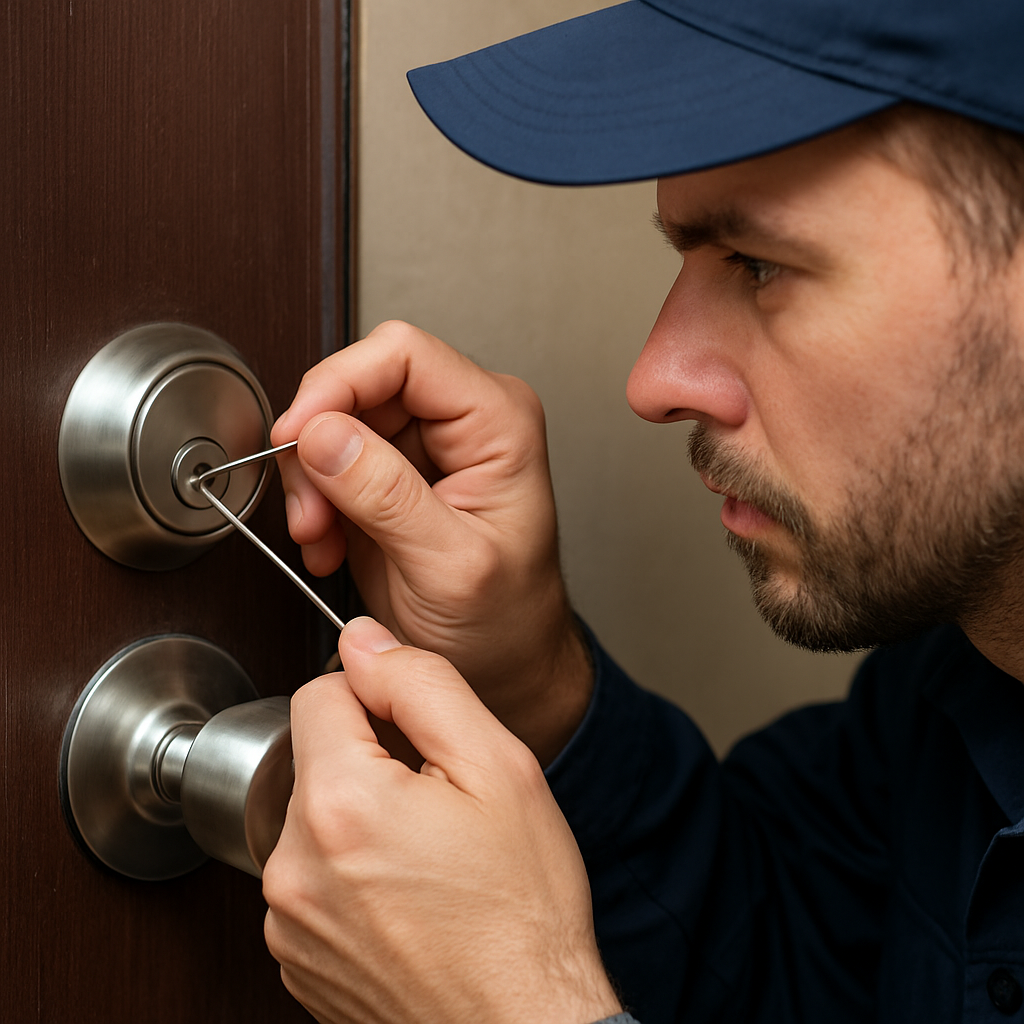
Practical lock upgrades that matter in urban apartments.
When security has been compromised, start with a trusted cylinder replacement and consider reinforcing the door frame and strike. Installing an anti-snap rated euro cylinder addresses a common vulnerability and is a worthwhile investment for street-level and easily accessible flats. Reinforced strike plates and longer screws that anchor into the frame can make the door far harder to force, at modest cost.
When you want both convenience and security, consider cylinder systems that allow controlled key duplication and a registered key profile. Always check compatibility: a new cylinder or multipoint component must fit the existing door geometry and comply with building regulations.
Final practical steps and what to expect after the job.
Leave with a written invoice that specifies the work done, the parts installed, and any warranty information. Before the technician leaves, test the lock from both sides and request a demonstration of any new security features or key restrictions. Record the company name, technician ID, and invoice number for future reference and warranty claims.
If you suspect the locksmith overcharged or did poor work, request a written explanation and, if needed, contact your bank or consumer protection agencies for dispute resolution. Preventative maintenance and occasional professional inspection reduce long-term costs and improve security continuity. Preparation, a few sensible upgrades, and a vetted 24/7 contact will make lock incidents manageable rather than disruptive.